
AI’s Growing Role in Workplace Safety
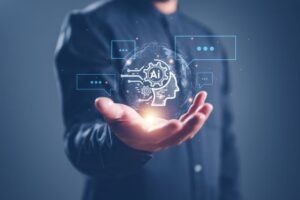
Workplace safety concerns have been growing in recent years, and now many employers are turning to a new technology to help them keep workplaces safe: artificial intelligence.
Artificial intelligence (AI) is increasingly being used to transform how companies and safety professionals manage hazards on the job. Across industries from manufacturing to construction, AI is being adopted to improve productivity and bolster worker protection by introducing new ways to anticipate risks, monitor conditions, and support preventive action.
What AI Brings to Safety Management
AI systems can continuously monitor workplace environments using connected devices, such as sensors, cameras, and wearable technology to detect unsafe conditions as they happen. This real-time analysis helps safety leaders respond more quickly than traditional, periodic inspections.
One of AI’s chief advantages is its ability to analyze large datasets to identify patterns and forecast where hazards might develop. By examining historical incident reports and machine performance data, AI can flag areas at higher risk before an accident occurs, enabling proactive intervention rather than reactive responses.
AI also supports decision making. Rather than replacing humans, AI is most effective when it augments human judgment. It can quickly sift through complex data and highlight trends, but safety professionals still interpret results and make final decisions to ensure ethics and context-specific insights are applied.
Applications in the Field
AI-enabled wearable devices and environmental sensors help track workers’ health metrics, like fatigue, posture, body temperature. These tools can trigger alerts for supervisors, helping prevent injuries before they occur.
AI can automate time-consuming administrative tasks, such as analyzing compliance data, compiling reports, and identifying safety gaps in documentation. Advanced AI tools can also be used for enhanced safety training. Virtual and augmented reality simulations help employees practice responses to hazardous scenarios in a controlled virtual space.
Challenges and Considerations
Data quality and bias can be factors. Since AI predictions are only as good as the data they rely on, poor or biased data can lead to misclassifications of risk or misleading safety insights. Organizations need robust data practices to ensure AI delivers reliable safety outcomes.
Also, workers may distrust AI safety tools if they feel constantly monitored or if the systems generate inaccurate alerts, which can undermine their effectiveness. Establishing explainability and involving employees in system design are important to build trust.
There can also be an over-reliance on automation. There is a risk of complacency if organizations rely too heavily on AI while reducing human oversight. AI should support professionals rather than replace critical human judgment.
Implementing AI systems requires investment in infrastructure, training, and ongoing model updates to ensure accuracy. This can be a barrier for small and mid-sized companies.
Contact a New Jersey Personal Injury Lawyer Today
Safety is a huge concern in the workplace, but using AI in tandem with humans can help keep workers safe.
But still, accidents can happen. Get the legal help you need from a Morristown work-related accident attorney from The Law Offices of Michael P. Burakoff. We can help you understand the processes for filing a claim. Call (973) 455-1567 or fill out the online form to schedule a consultation today.
Source:
heraldonline.com/news/business/article313773707.html