

Slips and Falls and Liability: When is a Business Liable?
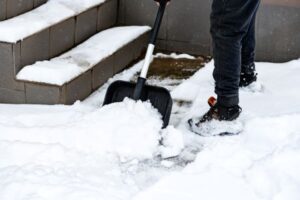
New Jersey often gets cold weather, with January being the coldest month. This type of weather affects the ground, causing ice, rain, and snow to accumulate. This can make walking in the winter dangerous.
Slips and falls can happen in good weather and bad weather, but they do happen a lot more in the winter. They can happen in stores, restaurants, or offices. They can also happen in parking lots, on stairs, and on sidewalks.
Falls can be serious, causing broken bones, back and neck injuries, head trauma, mobility issues, and other injuries. Falls also cause tens of thousands of fatalities every year.
Whether you are a commercial property or a slip and fall victim, you will want to know about commercial liability when it comes to slips and falls.
Premises Liability
Most snow and ice slip and fall claims fall under premises liability. Under this framework, businesses owe customers and other lawful visitors a duty to exercise reasonable care in maintaining their property.
One of the most important visitor categories is the invitee, which is someone who enters the property because the public is invited or because the visit benefits the property owner. Common examples include shoppers, delivery drivers, and service vendors.
Courts frequently look to the Restatement (Second) of Torts when defining this duty. Section 343 addresses dangerous conditions that a property owner knows about or should discover through reasonable care. Section 343A covers known or obvious dangers, while recognizing that liability may still exist when harm should reasonably be anticipated.
Snow and ice cases often hinge on how these broad principles apply to hazards that can form, melt, and refreeze within a matter of hours.
What a Snow or Ice Slip and Fall Claim Must Prove
Most claims must present evidence supporting four core elements of negligence.
- Duty. Who owes the duty depends on who controlled the area where the fall occurred. This may include a property owner, tenant, property manager, or maintenance contractor. Courts focus on control, not job titles.
- A breach typically involves a failure to act reasonably under the circumstances. Common allegations include:
- Failing to clear or treat walkways within a reasonable time.
- Failing to inspect when winter conditions made hazards foreseeable.
- Ignoring refreeze conditions or recurring black ice.
- Failing to warn when immediate remediation was not possible.
- The claimant must link the hazardous condition to the fall. Disputes often focus on:
- The exact location of the fall.
- Whether ice was present or the surface was merely wet.
- Whether footwear, distraction, or running contributed to the incident.
Contact a New Jersey Personal Injury Lawyer Today
Slips and falls can cause expensive injuries and other damages. If you slip and fall on business property, who is liable?
A Morristown slip & fall attorney from The Law Offices of Michael P. Burakoff can help you prove fault. This can be the most complicated part, but we will work with investigators, engineers, and other experts to establish fault on the part of the property owner. Schedule a consultation by calling (973) 455-1567 or filling out the online form.
Source:
freedomforallamericans.org/slip-fall-snow-ice/