
Man Killed After Fall in Vat at New Jersey Chemical Plant
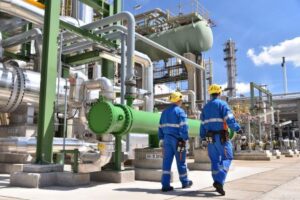
Workplace accidents can be fatal, especially when chemicals are involved. Sadly, a man was killed after he fell into a vat at a chemical plant.
The 71-year-old Woodbridge man died after falling into a large vat of mineral oil at a New Jersey chemical plant. The fatal incident occurred on the afternoon of January 19 at the Bayway Chemical Plant in Linden.
The man, who was working as a subcontractor, fell into a 6,000-gallon container he was loading with oil. He was retrieved by responders from the Bayway and Linden fire departments. However, he still died at the scene.
All parties involved are cooperating with the police investigation. Infineum, which is the company that operates the plant, and the Occupational Safety and Health Administration (OSHA) are also conducting separate investigations to determine what happened.
Infineum published a statement saying that one of its goals is to maintain a safe workplace and ensure that workplace hazards are mitigated as much as possible. The company sends its condolences to friends and family members of the deceased man.
Common Chemical Plant Accidents
Chemical plants deal with hazardous materials, high pressures, and complex systems, so certain accident types show up again and again. The most common chemical plant accidents include:
- Fires and explosions. Flammable gases, vapors, or dust can ignite due to equipment failure, static electricity, or human error. These incidents often cause severe burns, structural damage, and fatalities.
- Toxic chemical releases. Leaks or spills of substances like ammonia, chlorine, or hydrogen sulfide can expose workers and nearby communities to dangerous fumes, leading to respiratory injuries or long-term health effects.
- Equipment failures. Ruptured pipes, corroded storage tanks, or malfunctioning valves can cause sudden releases of chemicals, fires, or explosions.
- Chemical spills and leaks. Improper storage, overfilled containers, or transfer errors can result in spills that cause burns, environmental contamination, and slip hazards.
- Worker exposure incidents. Inadequate protective equipment, poor ventilation, or training failures can lead to skin contact, inhalation injuries, or chemical burns.
- Transportation accidents on-site. Forklifts, railcars, and tanker trucks moving hazardous materials can collide or overturn, causing releases and injuries.
Here are key safety measures to take:
- Fire and explosion prevention. Facilities should use explosion-proof equipment, proper grounding and bonding to prevent static discharge, and continuous gas detection systems.
- Control of toxic chemical releases. Plants should install leak detection and alarm systems, secondary containment, and automatic shut-off valves.
- Equipment integrity and maintenance. Regular inspections, corrosion monitoring, pressure testing, and timely replacement of aging equipment are critical.
- Spill prevention and response. Secondary containment, spill pallets, and proper transfer procedures reduce spill risks.
- Worker protection and training. Employees must receive ongoing safety training. Proper personal protective equipment (PPE) such as respirators, gloves, and chemical-resistant clothing should be readily available.
Contact a New Jersey Personal Injury Lawyer Today
Workplaces can be dangerous or even deadly. Accidents do happen and it is important for employers to understand the risks of each position and find ways to mitigate them.
Injured in the workplace? Get the legal help you need from a Morristown work-related accident attorney from The Law Offices of Michael P. Burakoff. We can help you understand the avenues to injury compensation. Schedule a consultation today by calling (973) 455-1567 or filling out the online form.
Source:
eastbaytimes.com/2026/01/22/nj-chemical-plant-death-linden/
